There are a few things worth getting right before you fly to Ireland. Bring the right documents, pack for changeable weather, and do not assume your first week will feel organised from day one. It rarely does.
That is why we help students with the practical side before they arrive. Our team is in Dublin, so if something feels unclear before travel or messy after landing, there is someone here to help you sort it out.

What to pack
You do not need to bring your whole life in one suitcase. Bring the things that are annoying to replace in the first week, then buy the rest once you are settled.
- Your passport and all important documents
- A printed copy of your university or school offer
- Any visa or immigration paperwork you have been given
- A weatherproof jacket and a small umbrella
- Warm layers rather than one very heavy coat
- A UK and Ireland plug adapter
- Prescription medication and a copy of the prescription
- A power bank for your first days out and about
Irish weather
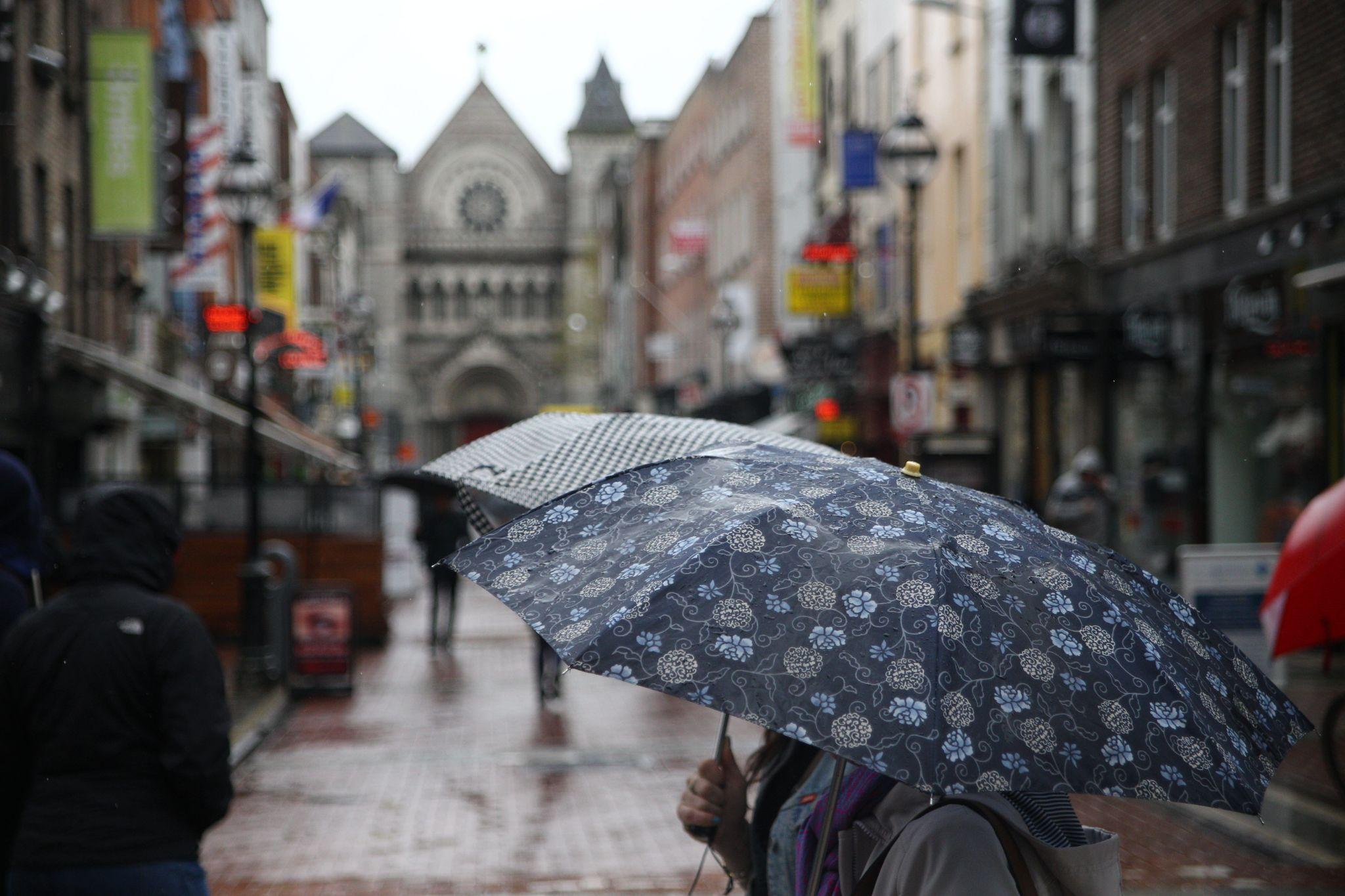
Ireland is not brutally cold for most of the year, but the weather changes fast. You can leave home in light rain, get sunshine at midday, and end up in wind by the evening. That catches new students out more than the temperature does.
The fix is simple: dress in layers. A jumper, a light waterproof jacket and decent shoes will usually be more useful than packing only heavy winter clothes. If you are staying for a few months, you can always buy extra bits once you see what you actually need.
Shopping in Ireland
You do not need to overpack because most basics are easy to buy once you arrive. For clothes and simple home items, a lot of students start with Penneys because it is cheap and everywhere. For groceries, Aldi, Lidl and Tesco are the usual low-cost options.
It usually makes more sense to wait until you are in Ireland before buying bulky things like bedding, kitchen bits or extra winter clothes. You save suitcase space, and you avoid bringing things you did not need in the first place.

Finding a part-time job
Many international students find part-time work in cafes, restaurants, retail, customer service and other entry-level roles. How fast that happens usually comes down to your English, your availability, your CV and a bit of timing.
For non-EEA students on Stamp 2 permission, the standard rule is up to 20 hours a week during term and up to 40 hours a week during the official holiday periods. As of January 1, 2026, Ireland's national minimum wage is €14.15 per hour for workers aged 20 and over.
Still, it is smarter to arrive with savings and treat part-time work as support, not as the one thing holding your budget together.
Need help getting ready for Ireland? We can guide you before you travel and after you arrive in Dublin.
Talk to our team